Slab Leak Warning Signs California Homeowners Shouldn't Ignore
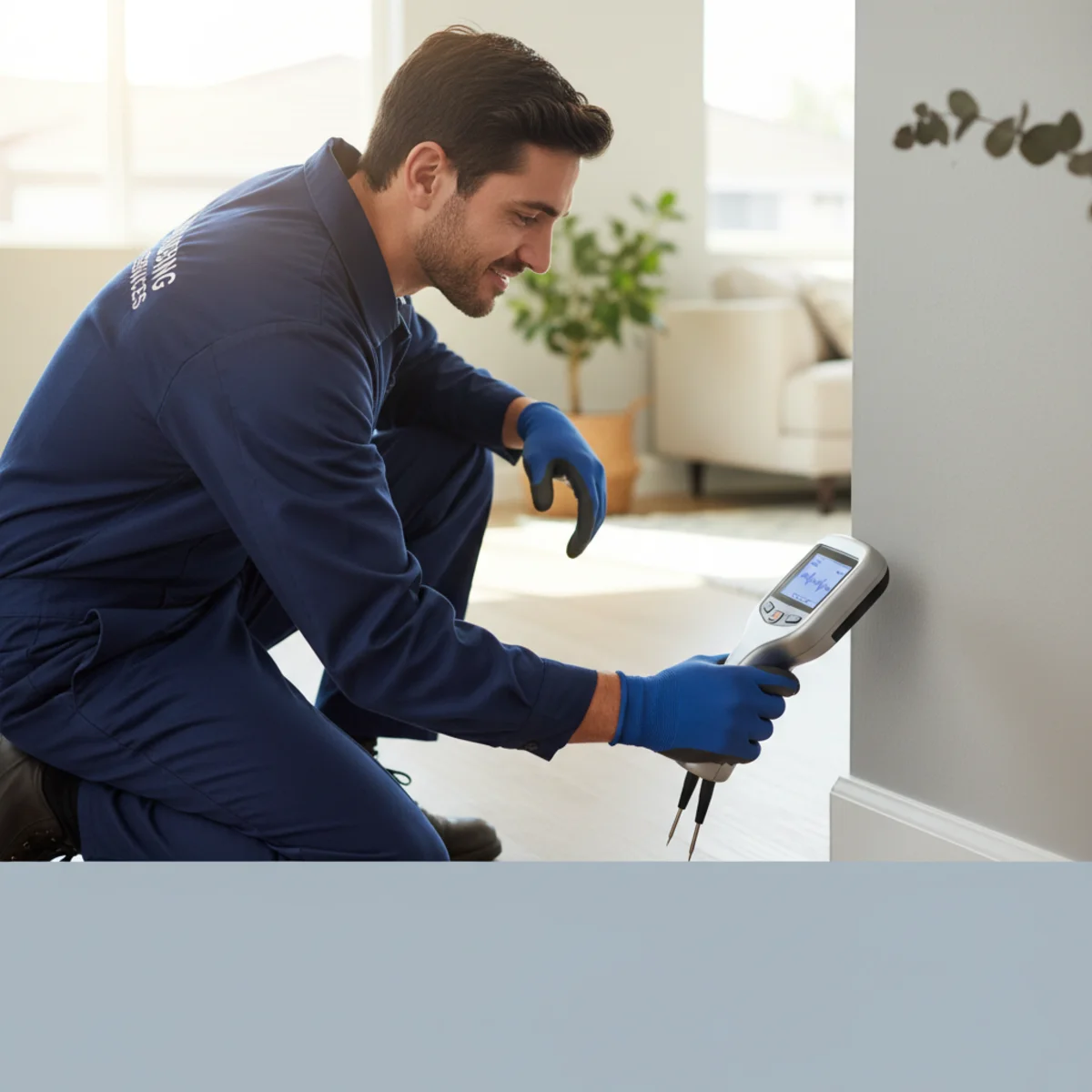
You walk across the floor and feel a warm patch that shouldn't be there. Your water bill jumps even though nothing about your routine changed. Somewhere, you hear water running, but every faucet is off.
Those can be the early signs of a slab leak, a pipe leaking underneath your home's concrete foundation. It's one of the more stressful problems a California homeowner can face, because the leak is hidden under solid concrete and the water has nowhere to go but into the ground and your structure.
Ignored, a slab leak can crack flooring, undermine the foundation, and feed mold. Caught early, it's a manageable repair. Knowing the warning signs, and acting on them, is what keeps a small leak from becoming a major one.
Key Takeaways
- A slab leak is a water line leaking beneath your home's concrete foundation slab.
- Warm spots on the floor, a spinning water meter with everything off, and the sound of running water are classic signs.
- California's expansive clay soils shift when saturated, which can worsen foundation movement around a slab leak.
- Electronic leak detection pinpoints the line so repairs stay targeted instead of tearing up the whole floor.
- Repair options range from spot repair to rerouting the line or whole-home repiping, depending on pipe condition.
Need a plumber in Bloomington, CA? We answer 24/7.
(207) 419-2600What exactly is a slab leak?
A slab leak is a leak in one of the water pipes that runs underneath, or through, the concrete slab your home sits on. Many homes in Bloomington and across Southern California are built slab-on-grade, with copper or other supply lines embedded in or below the concrete.
When one of those pipes corrodes, wears through, or fails at a fitting, water begins escaping under the slab. Because it's sealed beneath several inches of concrete, the leak can run a long time before anyone notices.
Hot-water-line slab leaks are common because hot water is harder on pipe, and they often reveal themselves as a warm spot on the floor. Cold-water leaks tend to show up as dampness, a rising water bill, or the constant sound of running water. Either way, the fix starts with locating the line accurately, which is the heart of slab leak detection and repair.
What are the warning signs of a slab leak?
Slab leaks tend to show a recognizable set of symptoms. Watch for:
- A warm or hot spot on the floor, often felt with bare feet.
- A water bill that climbs with no change in how you use water.
- The sound of running or trickling water when everything is shut off.
- Low water pressure throughout the house.
- Cracks appearing in flooring, tile, or even walls.
- Damp carpet, warped wood, or moisture seeping up through the slab.
- A water heater that seems to run constantly to keep up.
One sign alone may have another explanation. But a warm floor combined with a high bill and the sound of running water is a strong indicator. The sooner you investigate, the less damage the water can do.
Why are slab leaks a bigger deal in California?
Our soils make slab leaks more than a plumbing problem. Much of the Bloomington area sits on clay and adobe soils that swell when wet and shrink when dry. A slab leak pumps water into that soil continuously.
As the ground around and under the foundation gets saturated, it can heave and shift. That movement stresses the slab, which is how a plumbing leak ends up causing cracked floors and, in worse cases, foundation problems. The longer the leak runs, the more the soil moves.
There's a water-cost angle too. Water is precious and not cheap in Southern California, and a slab leak wastes it around the clock. Between the bill, the structural risk, and the potential for mold in our climate, a slab leak is one problem you don't want to sit on.
How do you find a slab leak without breaking the floor?
Finding the exact leak location before any concrete is touched is what separates a clean repair from a destructive one.
We start by confirming a leak exists, often with a pressure and meter test. Then we locate it. Acoustic listening equipment picks up the distinct sound of pressurized water escaping under the slab. Electronic line tracing and infrared imaging help confirm the path and the spot.
Once we've marked the location, access is limited to just that area. There's no reason to open up an entire floor when the leak is at one fitting. Accurate detection is what makes a targeted repair possible, and it's why guessing or random jackhammering is never the right approach.
What are my repair options once it's found?
The right fix depends on where the leak is, how the pipe was installed, and the overall condition of your plumbing.
- Spot repair: open a small section of slab, repair or replace the failed segment, and patch it back. Best for a single, accessible leak in otherwise sound piping.
- Reroute: abandon the leaking under-slab section and run a new line through walls or the attic instead. Useful when the buried pipe is hard to reach.
- Repipe: if the system has had multiple leaks or the piping is at the end of its life, replacing the lines with new pipe like PEX often makes more sense than chasing leaks one at a time.
We'll walk you through the trade-offs and give you an upfront, flat-rate price before any work begins, so there are no surprises. If you suspect a slab leak, contact us and we'll get it located.
Can I prevent slab leaks?
You can't make a slab leak impossible, but you can lower the odds and catch problems early.
High water pressure is hard on pipe and fittings. A properly set pressure regulator keeps your system in a safe range. Our generally hard water also contributes to corrosion and scaling over time, so a water softener can extend the life of your pipes and water heater alike. Verify your local hardness against the latest West Valley Water District water-quality report.
Beyond that, stay alert to the warning signs and act on them. Keep an eye on your water bill, listen for running water, and note any warm spots. Early detection is the best protection you have against a slow leak under your foundation.
Frequently Asked Questions
Related Plumbing Services
Have a plumbing problem in Bloomington?
Don't let a small issue become an emergency. Call for fast, local, upfront-priced help.
Related Articles
All articlesLeak DetectionHow to Know If You Have a Hidden Plumbing Leak
The most damaging leaks are the ones you can't see. Here are the quiet clues that water is escaping somewhere in your home.
Leak DetectionHow to Find a Water Leak in Your Home
A high bill or the sound of running water can mean a hidden leak. Here's how to track it down — starting with a simple meter test.
Leak DetectionHow to Spot a Main Water Line Leak
A soggy yard, dropping pressure, and a high bill can all point to a leaking main line. Here's how to spot the signs early.