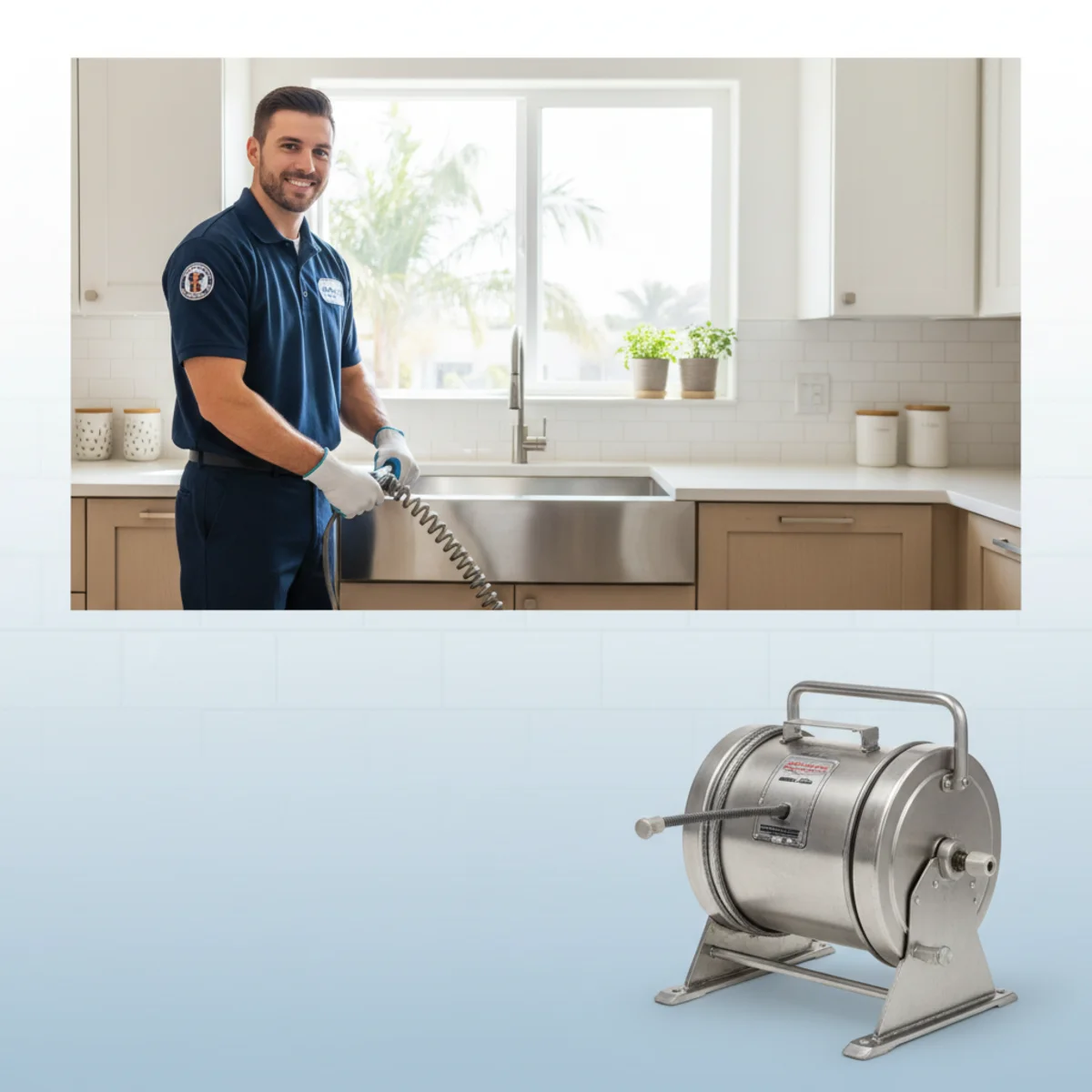
It usually starts slow. The water lingers a second before draining. A week later it pools. Then one evening, mid-cleanup, the kitchen sink stops draining entirely and you are bailing greasy water by hand.
Here is the thing most homeowners do not realize. The vast majority of kitchen clogs are not bad luck. They are the predictable result of a few everyday habits, and that means they are almost entirely preventable.
A little awareness about what goes down the drain keeps your kitchen flowing and saves you the mess, the cost, and the timing of a backup. Here are the habits that cause kitchen clogs and the simple ones that prevent them.
Key Takeaways
- Grease and oil are the number-one cause of kitchen clogs — never pour them down the drain.
- Coffee grounds, eggshells, pasta, rice, and fibrous scraps build up even with a disposal.
- Hot water and dish soap after cooking help keep the line clear day to day.
- A garbage disposal is not a trash can; it has real limits on what it can handle.
- Recurring clogs despite good habits can signal a deeper line problem worth inspecting.
Need a plumber in Bloomington, CA? We answer 24/7.
(207) 419-2600Grease is the number-one culprit
If you remember one rule, make it this one: keep grease and oil out of the drain.
It seems harmless when it is hot and liquid. The problem is what happens next. As it travels down the cooler pipe, grease congeals and coats the inside of the line. Each pour adds another layer, narrowing the pipe like plaque in an artery until water can barely pass. Other food scraps then snag on the greasy walls and the clog locks in.
Instead, let grease cool in a can or jar and toss it in the trash. Wipe greasy pans with a paper towel before washing. This single habit prevents more kitchen clogs than anything else, and it keeps you from needing drain cleaning in the first place.
Foods that quietly build up over time
Grease gets the blame, but several common foods are repeat offenders, even when you have a disposal.
- Coffee grounds clump together and settle in the pipe like wet sand.
- Eggshells grind into gritty bits that bind with grease.
- Pasta and rice keep absorbing water and swelling after they are down the drain.
- Fibrous scraps like celery, corn husks, and onion skins tangle around the disposal and in the line.
- Starchy peels from potatoes turn into a paste.
None of these belong in the drain in any real quantity. Scrape plates into the trash or compost before rinsing. Good kitchen plumbing habits start at the plate, not at the sink.
Use your garbage disposal correctly
A disposal is handy, but it is not a license to send anything down the drain. Treating it like a trash can is how clogs and jams start.
Run plenty of cold water before, during, and for a good while after you grind. Cold keeps any fats firm so they wash through rather than smearing the pipe. Feed scraps in gradually instead of cramming a pile in at once. Stick to small, soft food bits.
Keep the offenders above out of it — grease, fibrous vegetables, coffee grounds, pasta, rice, and bones. Used well, a disposal lasts for years. Pushed past its limits, it jams, leaks, or pushes debris into the line. If yours is struggling, garbage disposal repair sorts it out quickly.
Simple daily habits that keep drains clear
Prevention does not take much effort. A few small routines make a real difference over time.
- After washing dishes, run hot water for a bit with a squirt of dish soap to help carry residue through the line.
- Use a sink strainer to catch food scraps before they ever reach the drain, then empty it into the trash.
- Run cold water whenever the disposal is on.
- Scrape plates and pans into the trash or compost before rinsing.
- Avoid dumping liquids full of fat, like bacon drippings or oily marinades, down the sink.
These habits cost nothing and prevent the slow buildup that turns into a weekend emergency. Consistency beats any single deep cleaning.
What not to do when a clog starts
When the water starts draining slowly, the instinct is often to reach for a bottle of chemical drain cleaner. Go easy there.
Harsh chemical cleaners can damage pipes with repeated use, especially older metal lines found in many Bloomington homes, and they often only punch a hole through a clog rather than clearing it. The blockage rebuilds fast. They also leave caustic water sitting in your line if they fail.
A better first move is a plunger or simply addressing the cause — clean the strainer, flush with hot water, check the disposal. If the slow drain persists, professional drain cleaning clears the line properly without the risk a chemical pour brings. Mechanical clearing solves it; chemicals often just postpone it.
When prevention isn't enough
Sometimes you do everything right and a drain still clogs repeatedly. That is worth paying attention to.
If clogs keep coming back despite good habits, the cause may be deeper in the system: a partial blockage well down the line, heavy long-term grease buildup, a sagging pipe section, or even an issue in the main drain. A surface fix will not hold against any of those.
That is when a plumber earns their keep. Methods like hydro jetting scour the full inside of the pipe rather than poking a hole through the clog, and a camera inspection can find the real cause. If your kitchen drain keeps backing up, contact us and we will get to the root of it. Explore our plumbing services for everything we handle around Bloomington.
Frequently Asked Questions
Related Plumbing Services
Have a plumbing problem in Bloomington?
Don't let a small issue become an emergency. Call for fast, local, upfront-priced help.
Related Articles
All articlesDrain CleaningWhy Your Drains Keep Clogging in Bloomington Homes
Clearing the same drain over and over? The clog isn't the problem — it's a symptom. Here's what's really going on in Bloomington pipes.
Drain CleaningHow to Unclog a Drain (and When to Call a Pro)
Some clogs you can clear yourself; others need a pro. Here are safe DIY methods and the signs it's time to call.
 Drain Cleaning
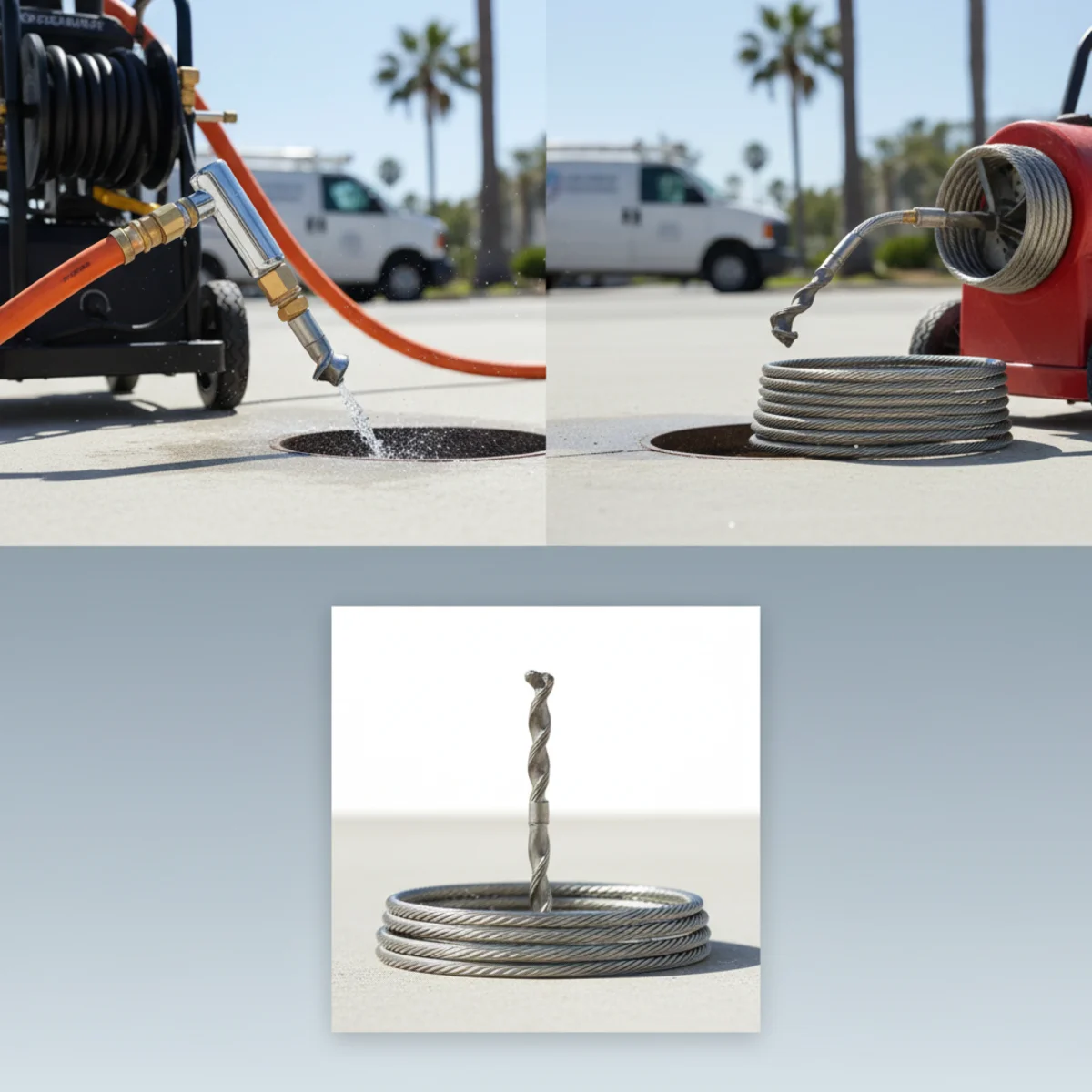
Hydro Jetting vs Drain Snaking: Which Is Better?
Both clear clogs, but they're not interchangeable. Here's when snaking is enough and when only hydro jetting will solve the problem.