Signs You May Need Sewer Line Repair in Bloomington, CA
Your sewer line does its job out of sight, so it is easy to forget it exists — until it stops working. And when a sewer line fails, it does not fail politely. It backs sewage into your home, floods the yard, or fills the house with a smell you cannot ignore.
The frustrating part is that sewer lines almost always warn you first. The signs are subtle at the start: a drain that gurgles, a faint odor outside, a toilet that empties slowly. Easy to dismiss, easy to regret.
If you learn to read those early signals, you can fix a sewer line on your schedule instead of during a messy emergency. Here are the signs your Bloomington sewer line is asking for help, and what each one means.
Key Takeaways
- Multiple slow drains at once usually point to the main sewer line, not a single fixture.
- Gurgling toilets and drains signal trapped air from a partial sewer blockage.
- Sewage odors inside or a foul smell in the yard often mean a cracked or leaking line.
- Unusually green, soggy patches in the lawn can mark a leaking sewer pipe underground.
- A camera inspection confirms the exact problem and location before any digging begins.
Need a plumber in Bloomington, CA? We answer 24/7.
(207) 419-2600Why are multiple drains slow at the same time?
One slow drain is a local clog. Several slow drains at once is a different story. When your kitchen sink, bathroom sink, tub, and toilet all drain sluggishly, the bottleneck is downstream where all those lines meet — the main sewer line.
Pay special attention to the lowest fixtures in the house, like a first-floor toilet or a basement or garage floor drain. They back up first because waste from the whole house funnels past them.
If you are clearing clog after clog at individual fixtures and the problem keeps spreading, the main line is the real issue. That is the point to bring in sewer line repair rather than chasing each drain one at a time.
What do gurgling toilets and drains mean?
Gurgling is the sound of air escaping where it should not. In a healthy system, waste and air flow smoothly out to the sewer. When a partial blockage forms, water pushing past it traps air, and that air bubbles back up through the nearest drain or toilet with a glug-glug sound.
You will often notice it when one fixture affects another. Flush the toilet and the tub gurgles. Run the washing machine and the toilet bubbles. Those connections mean the trouble is in the shared main line, not the fixture you are using.
Gurgling is an early warning, not a finished disaster. Catching it now, before it becomes a full backup, gives you room to plan the repair calmly.
Why does my yard or bathroom smell like sewage?
A properly sealed sewer system is airtight, so you should never smell raw sewage. When you do, it usually means the line has cracked, separated at a joint, or developed a leak that is letting gases escape.
Two places to notice it:
- Inside, near a drain or in a bathroom, especially if it lingers
- Outside, in the yard along the path where the sewer line runs to the street
In older Bloomington homes, cast-iron and clay sewer pipes crack and shift as the surrounding clay and adobe soil moves with the seasons. A persistent sewage odor is a strong sign of a compromised pipe. A sewer camera inspection finds the break so the repair targets the exact spot.
Can my lawn show sewer line problems?
Yes, and the clues are easy to miss. A leaking sewer line releases water and waste underground, and your lawn responds to it.
Watch for:
- A patch of grass that is greener, lusher, or growing faster than the rest
- Soggy or squishy ground when there has been no rain
- A sunken or dipping area along the line's path
- An unexplained sewage smell outdoors
That extra-green stripe is the lawn feeding on what is leaking below. A sinkhole or depression means soil is washing into a broken pipe. In our dry climate, a wet or vividly green patch with no sprinkler nearby is worth investigating before the pipe fails completely.
Do tree roots and old pipes cause sewer damage here?
They are two of the most common causes in this area. Mature trees in established Bloomington neighborhoods send roots toward the moisture and nutrients inside sewer lines. The roots find tiny gaps at pipe joints, work their way in, and grow until they choke the line or crack it open.
Older pipe materials make it worse. Clay sewer lines have many joints for roots to invade, and cast iron corrodes from the inside over decades. Combine aging pipe with thirsty roots and shifting clay soil, and you have the recipe for repeated backups.
When roots are the cause, hydro jetting cuts them out and scours the pipe clean. If the pipe is badly cracked or collapsing, though, cleaning is only temporary and a repair or replacement is the lasting fix.
How is a sewer line problem diagnosed and repaired?
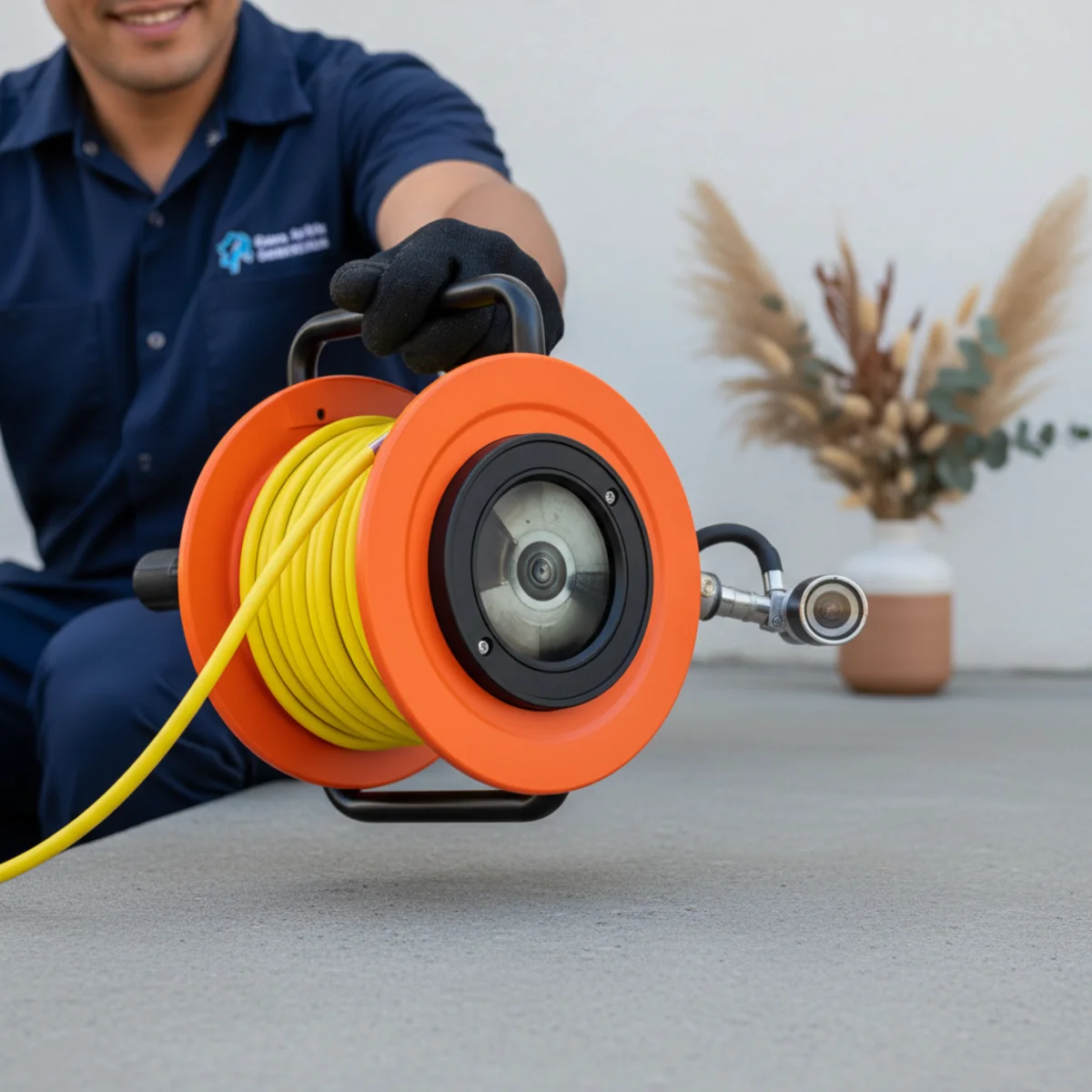
Good repairs start with a clear diagnosis, not guesswork. We feed a waterproof camera into the line to see exactly what is happening — a clog, roots, a crack, a collapse, or a low spot where waste pools. The camera also pinpoints how far down the line the problem sits.
From there, the right fix depends on what we find:
- Roots or heavy buildup: hydro jetting to clear and clean the line
- A localized break or crack: a targeted spot repair
- A collapsed or badly deteriorated line: replacement, sometimes with trenchless methods that limit digging
Seeing the problem first means you are not paying to dig up a guess. If you have noticed any of the signs above, contact us for an inspection and we will tell you honestly what the line needs.
Frequently Asked Questions
Related Plumbing Services
Have a plumbing problem in Bloomington?
Don't let a small issue become an emergency. Call for fast, local, upfront-priced help.
Related Articles
All articlesSewer LinesHow Tree Roots Damage Sewer Lines in Bloomington, CA
The trees that shade your older Bloomington home may be quietly invading your sewer line. Here's how root intrusion happens and how to stop it.
Sewer LinesWhat to Do If Your Sewer Line Backs Up
Sewage coming up a drain is an emergency. Here's exactly what to do — and what to avoid — the moment a sewer line backs up.
Sewer LinesWhy Sewer Smells Come From Bathroom Drains
That rotten-egg smell from the bathroom isn't just unpleasant — it's a clue. Here's what causes sewer odors at the drain and how to stop them.