Sewage coming up through a floor drain, a tub, or a toilet is one of the worst things you can find in your home. It's a health hazard, it's destructive, and every minute it sits there it spreads.
Most people freeze, then panic — running water to "flush it down" or reaching for chemicals. Both make a backup worse. More water has nowhere to go, and harsh chemicals just create a toxic puddle you'll have to stand in later.
A sewer backup is a genuine emergency, but it's a manageable one if you act in the right order. Stop adding water, protect your family, and get a plumber on the way. Here's exactly what to do.
Key Takeaways
- Stop using all water immediately — every flush and faucet adds to the backup.
- A backup affecting multiple fixtures at once points to the main sewer line, not a single drain.
- Keep people and pets away from the contaminated area; sewage carries bacteria and viruses.
- Do not pour chemical drain cleaner into a standing backup — it won't clear it and creates a hazard.
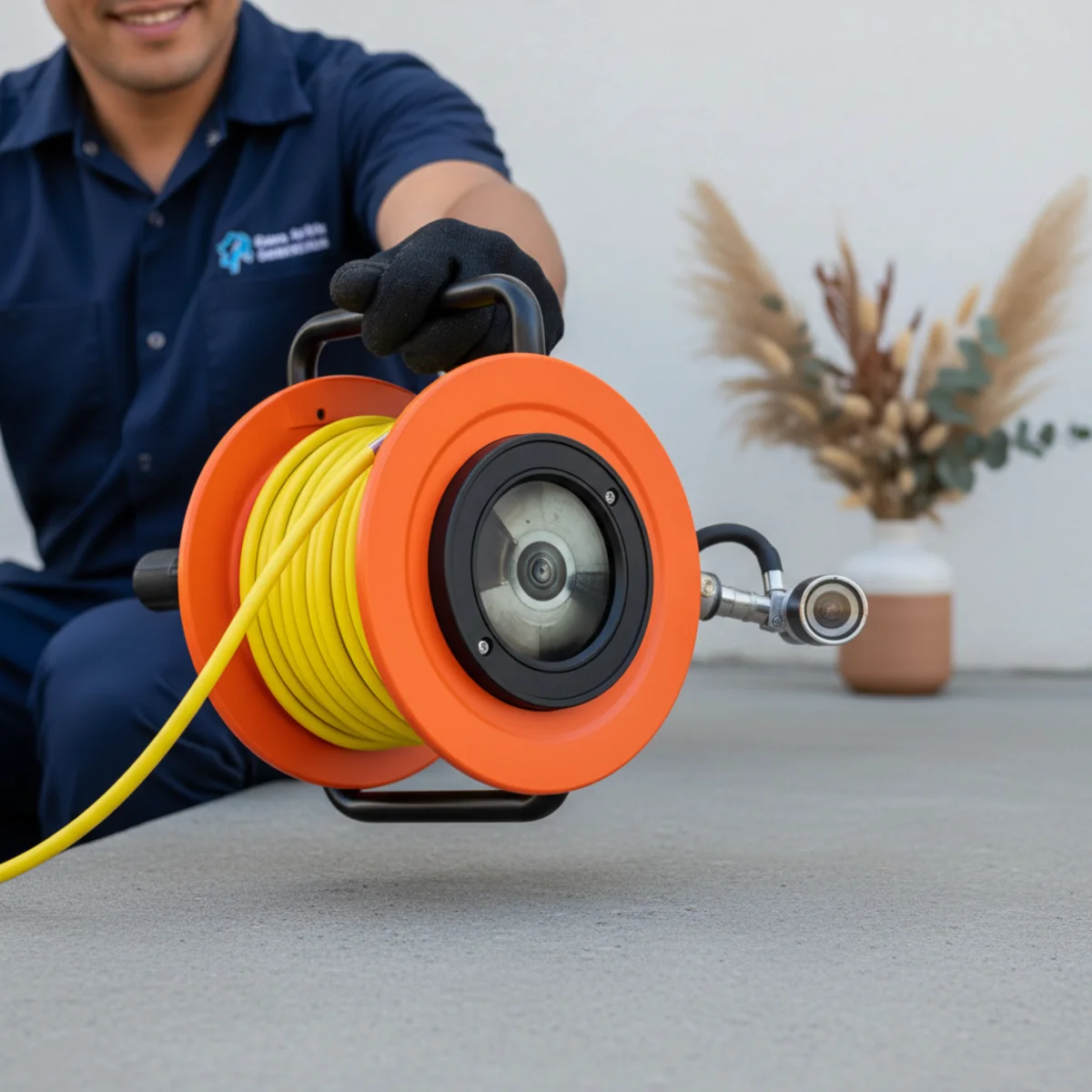
- This is an emergency that needs a professional with a camera and a jetter, not a store-bought snake.
Need a plumber in Bloomington, CA? We answer 24/7.
(207) 419-2600What's the first thing to do when sewage backs up?
Stop all water use in the house. Right now. Don't flush a toilet, run a sink, start the dishwasher, or run the washing machine. The backup is happening because waste can't drain — anything you send down has nowhere to go but back up into your home.
Tell everyone in the house to keep off the water too. One absent-minded flush from the other bathroom can push more sewage out onto the floor.
If water is actively rising and you can't get it to stop, find your main shut-off and cut the home's water supply. That removes the temptation and the risk while you wait for help.
Then call for emergency help. A true sewer backup won't fix itself, and the longer it sits, the more it spreads into flooring, baseboards, and subfloor. Our emergency plumbing line is open around the clock — Same Rate, Any Hour — so you're not paying a penalty for calling at 2 a.m.
How do I know if it's the main sewer line?
The pattern of the backup tells you a lot. A single slow drain is usually a local clog. A backup hitting several fixtures at once points to your main line — the pipe that carries everything out to the city sewer.
Watch for these main-line clues:
- More than one fixture is affected — for example, the toilet bubbles when the washer drains.
- The lowest drains flood first. Floor drains, basement showers, and ground-floor tubs back up before upstairs fixtures because gravity sends waste to the low point.
- Using one fixture affects another. Flushing makes the tub gurgle or fill.
- Sewage, not just slow water. A main-line backup brings up dark, foul water — that's raw sewage, not a sink clog.
When the main line is blocked, no amount of plunging a single drain helps. The blockage is downstream of everything. That's a job for sewer line repair, where we locate and clear the actual obstruction.
What should I avoid doing during a backup?
In the scramble to fix things fast, people often make the situation worse. Steer clear of these:
- Don't run water to "push it through." There's nowhere for it to go. You're just adding to the flood.
- Don't pour chemical drain cleaner in. It won't dissolve a main-line blockage, and it turns the standing sewage into a caustic, toxic mess that's dangerous to be near and to clean up.
- Don't keep flushing to test it. Each flush dumps more into your home.
- Don't wade in barefoot or bare-handed. Sewage carries bacteria and viruses. Wear rubber boots and gloves if you must enter the area.
- Don't run a shop vac on standing sewage unless it's rated for it.
If you have a cleanout cap outside and you're comfortable, you can carefully loosen it to relieve pressure — sometimes the backup will drain out there instead of inside, which is the lesser of two evils. Then leave the actual clearing to a pro with a camera and hydro jetting equipment.
Why do sewer lines back up in the first place?
Knowing the cause helps you prevent the next one. In Bloomington, a few culprits show up again and again.
Tree roots are the big one. Older neighborhoods have mature trees, and roots are drawn to the moisture in sewer joints. They work into the pipe, snag debris, and eventually choke off flow. Clay and cast-iron lines common in mid-century homes off Valley Blvd are especially vulnerable.
Grease and "flushable" wipes are the next. Grease cools and hardens into a thick crust inside the pipe; wipes don't break down and snag on anything rough. Together they build a dam.
Then there's pipe condition itself. Decades of hard water, ground shifting in our clay and adobe soils, and old materials lead to cracks, bellies, and collapses. A camera tells the real story. A sewer camera inspection shows us whether you're dealing with roots, grease, or a broken pipe — so the fix matches the actual problem instead of guessing.
Will my home be safe after the backup is cleared?
Clearing the blockage stops the flow, but the cleanup matters just as much. Sewage contamination isn't something to wipe up with a towel and forget.
Once the line is open, anything porous that got soaked — carpet, padding, drywall, baseboards — may need to be removed and replaced. Hard surfaces have to be cleaned and disinfected thoroughly. Standing water that sat for hours can also start feeding mold within a day or two in our climate.
If the backup soaked into flooring or walls, our water damage plumbing repairs work covers the plumbing side and helps you understand what needs to come out. For heavy contamination, a remediation specialist may be worth bringing in.
The most important step is preventing a repeat. If roots or a damaged pipe caused it, the line will back up again — usually at the worst possible time. A camera inspection and a real repair plan are what keep it from happening twice.
Frequently Asked Questions
Related Plumbing Services
Have a plumbing problem in Bloomington?
Don't let a small issue become an emergency. Call for fast, local, upfront-priced help.
Related Articles
All articlesSewer LinesSigns You May Need Sewer Line Repair in Bloomington, CA
Multiple slow drains, yard odors, gurgling toilets — your sewer line is trying to warn you. Here's how to read the signs before it backs up.
Sewer LinesMain Sewer Line Clog Warning Signs
When the main line clogs, the whole house feels it. Here's how to recognize the warning signs before it backs up.
Sewer LinesHow Tree Roots Damage Sewer Lines in Bloomington, CA
The trees that shade your older Bloomington home may be quietly invading your sewer line. Here's how root intrusion happens and how to stop it.