What to Do When You Need an Emergency Plumber in Bloomington, CA
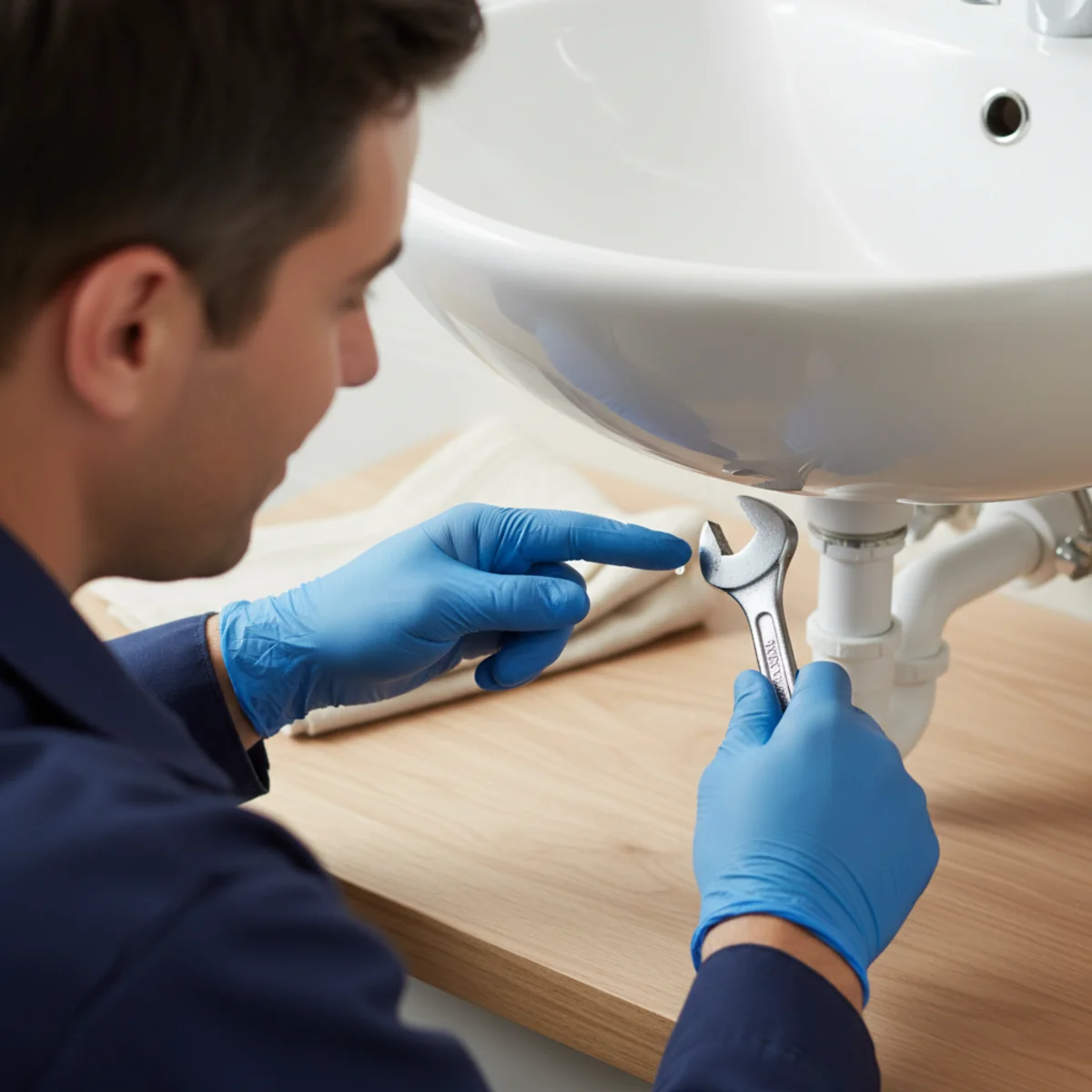
Water is on the floor and it is spreading. Maybe a pipe burst under the sink, the water heater is pouring out, or a toilet is overflowing and will not stop. Your heart rate climbs.
Every minute that water keeps running, it soaks into drywall, baseboards, subfloor, and cabinets. In an older Bloomington home with original framing, that damage adds up fast and quietly feeds mold behind the walls.
The good news: you do not have to fix the problem to stop the bleeding. A handful of calm, correct steps will protect your home and your wallet until a plumber arrives. Here is the playbook we walk Bloomington homeowners through every week.
Key Takeaways
- Shut off the water first — at the fixture, or at the main if the leak is bigger or you cannot find the local valve.
- Kill power to any area where water is near outlets, appliances, or the electrical panel.
- Drain the lowest faucets and flush toilets to clear pressure out of the lines after the main is off.
- Document everything with photos and video before cleanup — it helps with insurance claims.
- Call a 24/7 plumber and give them the specifics: what is leaking, where, and whether the main is already off.
Need a plumber in Bloomington, CA? We answer 24/7.
(207) 419-2600What counts as a real plumbing emergency?
Not every drip needs a midnight call, but some problems will not wait until morning. Treat these as emergencies:
- A burst or actively leaking pipe you cannot stop
- A water heater leaking heavily or making popping and rumbling noises
- Sewage backing up into a tub, shower, or floor drain
- An overflowing toilet that keeps rising
- The smell of gas, which is a life-safety issue — leave and call from outside
- No water at all in the whole house
If water is spreading or sewage is coming up, that is the moment to act. These situations are exactly what our emergency plumbing service is built for, any hour, at the same rate.
How do I shut off the water fast?
Start local. Most sinks and toilets have a small shutoff valve on the wall or floor beneath them — turn it clockwise until it stops. That alone solves many fixture leaks.
If the leak is bigger, if the valve is stuck, or if you cannot tell where the water is coming from, go to your main shutoff. In Bloomington, it is usually where the water line enters the house, often near the front hose bib or in a box near the street by the meter. Turn the valve clockwise (or a quarter turn for a lever-style valve) to cut water to the whole house.
Older homes around the 92316 area sometimes have a corroded or seized main valve. If yours will not budge, do not force it and crack it — call us and we can shut it at the meter.
What should I do after the water is off?
Once the supply is off, open the lowest faucets in the house and flush the toilets. This drains the pressure and remaining water out of the pipes so the leak slows to a stop instead of dripping for another hour.
Next, deal with electricity. If water is anywhere near outlets, a panel, or an appliance, shut off the affected circuits at the breaker — but only if you can reach the panel without standing in water.
Then move what you can. Lift rugs, pull furniture off wet carpet, and put foil or wood blocks under furniture legs. The faster you separate your belongings from standing water, the less you lose.
Why is documenting the damage worth the time?
Before you mop up, take pictures and video. Get the source of the leak, the standing water, and every wet item and surface. Insurance adjusters want to see the extent of the damage, and a clear record makes your claim smoother and faster.
Save any failed parts too — a split hose, a cracked fitting, a corroded section of pipe. They tell the story of what happened.
If water has soaked into walls, ceilings, or flooring, the issue is not just the plumbing anymore. Lingering moisture leads to mold. Our water line repair work and water-damage cleanup go hand in hand, so the leak gets fixed and the wet materials get addressed before they cause a second problem.
What information should I give the plumber on the phone?
A good description gets the right help to your door faster. When you call, tell us:
- What is leaking or backing up (pipe, water heater, toilet, sewer)
- Where it is in the house
- Whether you have shut off the water already
- How much water is involved
- Anything unusual — odors, discolored water, a warm spot on the floor
That last one matters. A warm or damp spot on a slab floor can mean a hot-water line is leaking under the foundation. That is a slab leak, and it needs specialized detection rather than guesswork. The more you can describe, the better we can prepare the truck before we roll out.
How do I prevent the next emergency?
Most emergencies leave hints before they happen. A little attention now saves a frantic night later.
- Know where your main shutoff is, and make sure everyone in the house does too
- Check under sinks and around the water heater for slow drips or rust
- Replace rubber washing-machine hoses with braided steel ones
- Watch your water bill — a sudden jump often means a hidden leak
- Address slow drains before they become full backups
Bloomington's generally hard water is tough on fixtures and water heaters over time, which is why we recommend a yearly look from a licensed plumber. Catching a worn valve or a corroding connection early is far cheaper than catching it at 2 a.m. You can always contact us to set that up.
Frequently Asked Questions
Related Plumbing Services
Have a plumbing problem in Bloomington?
Don't let a small issue become an emergency. Call for fast, local, upfront-priced help.
Related Articles
All articles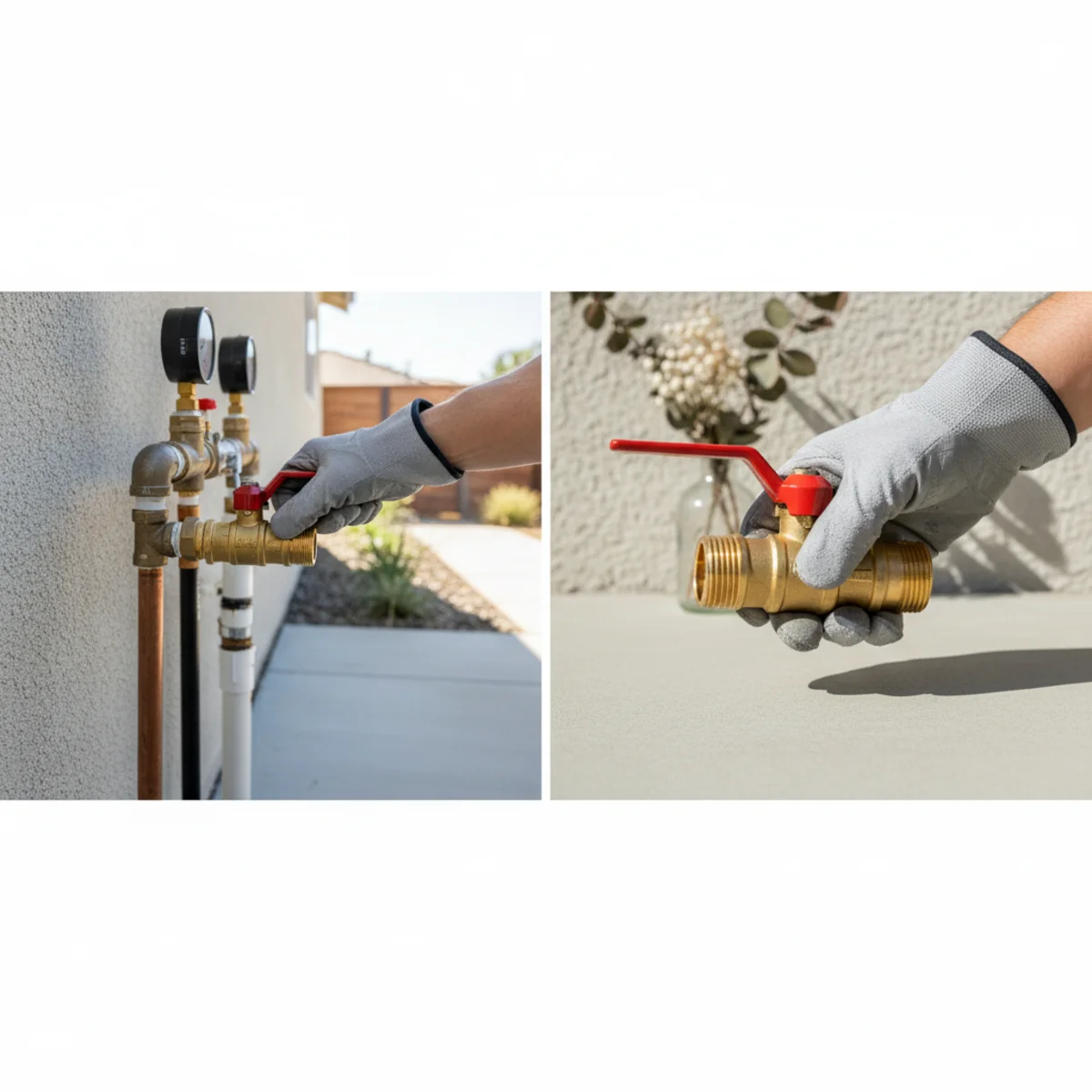 Emergency Plumbing
How to Shut Off Water During a Plumbing Emergency
The single most useful thing you can know in a plumbing emergency: where your shut-off valves are. Here's how to find and use them.
Emergency PlumbingEmergency Plumbing Problems That Cannot Wait
Not every plumbing issue is an emergency — but these can't wait. Here's how to tell the difference and protect your home.
Emergency PlumbingFrozen or Burst Pipe? What to Do First
A rare cold snap can freeze exposed pipes even here. Here's what to do first if a pipe freezes or bursts.